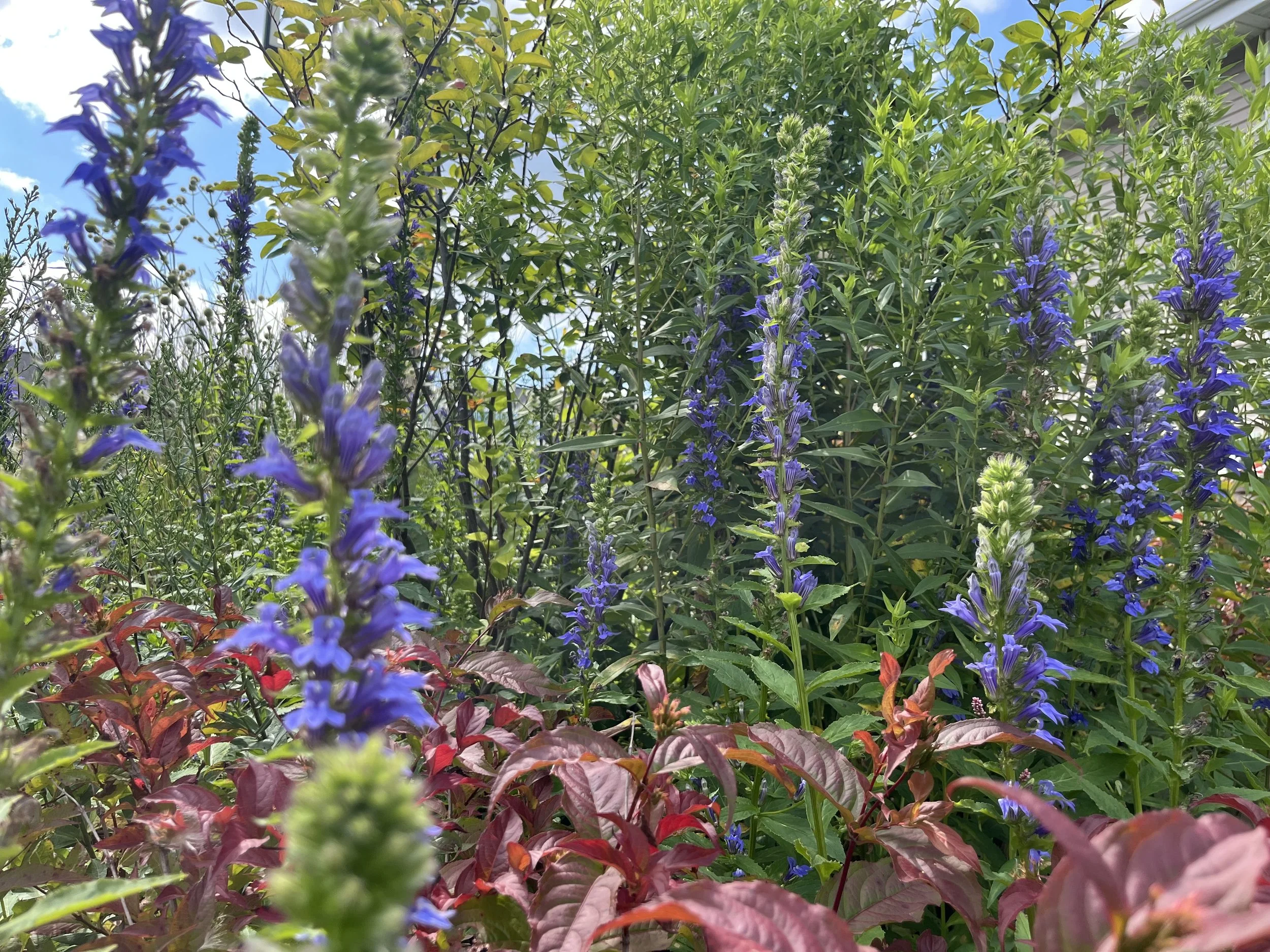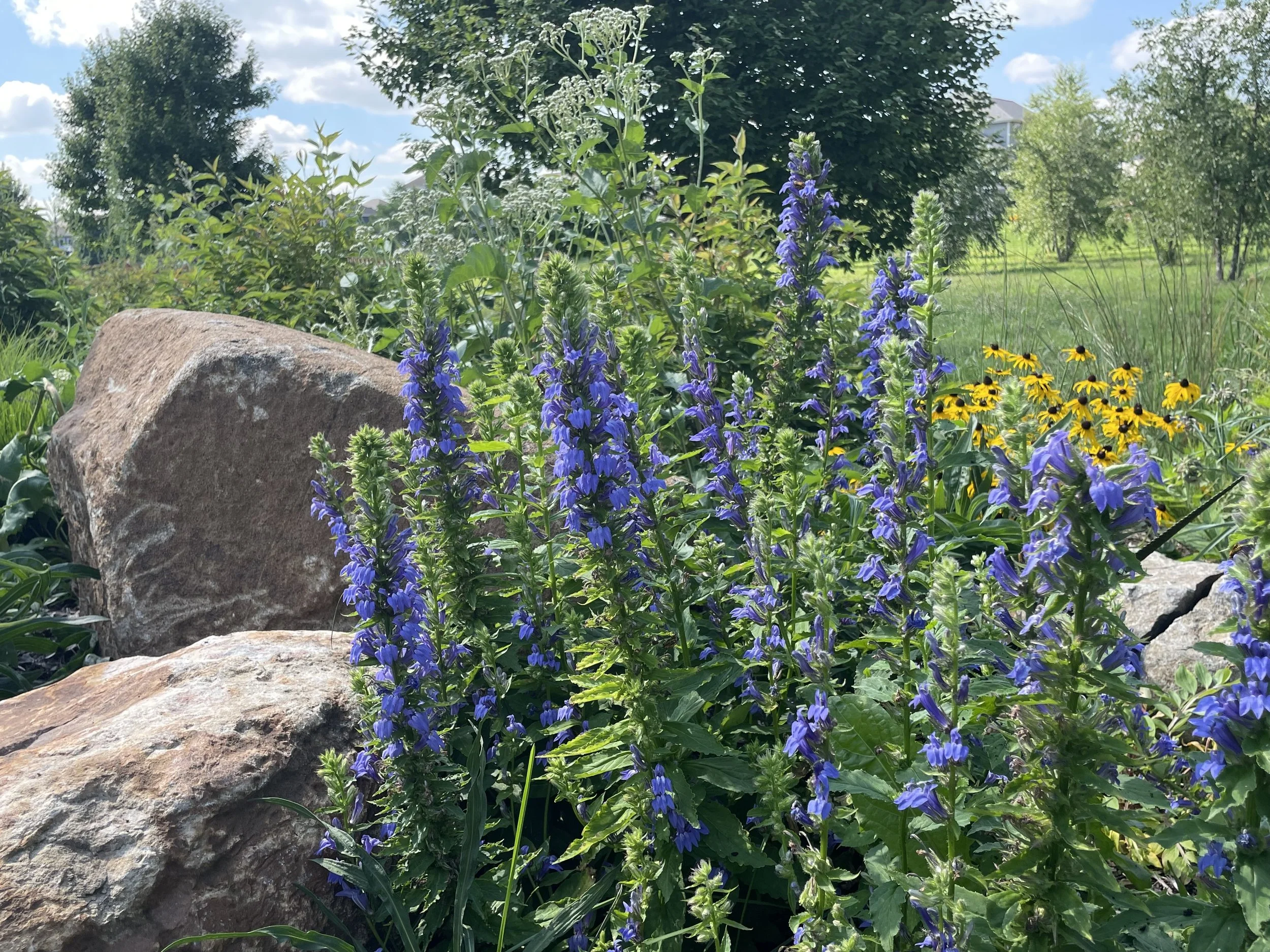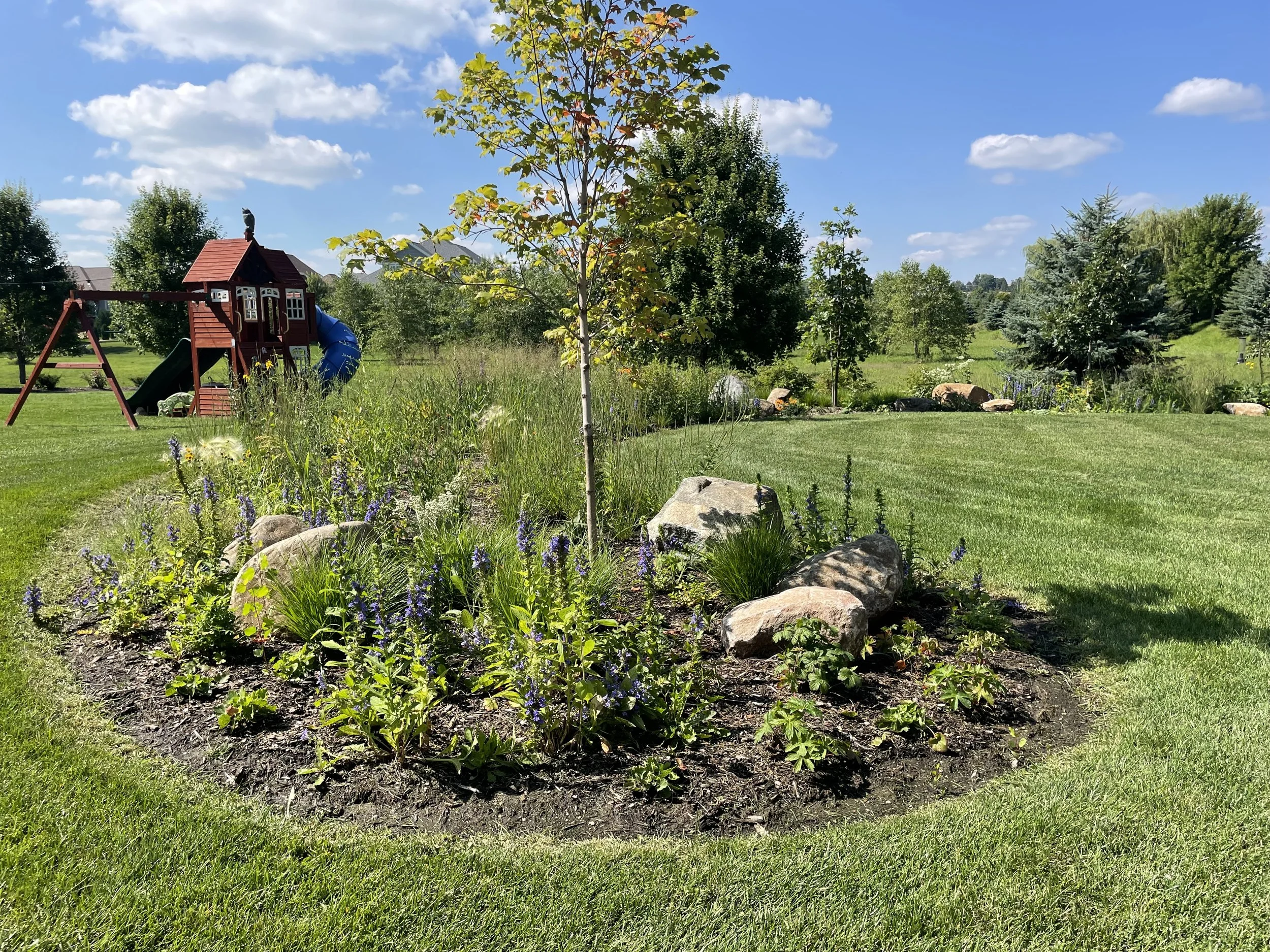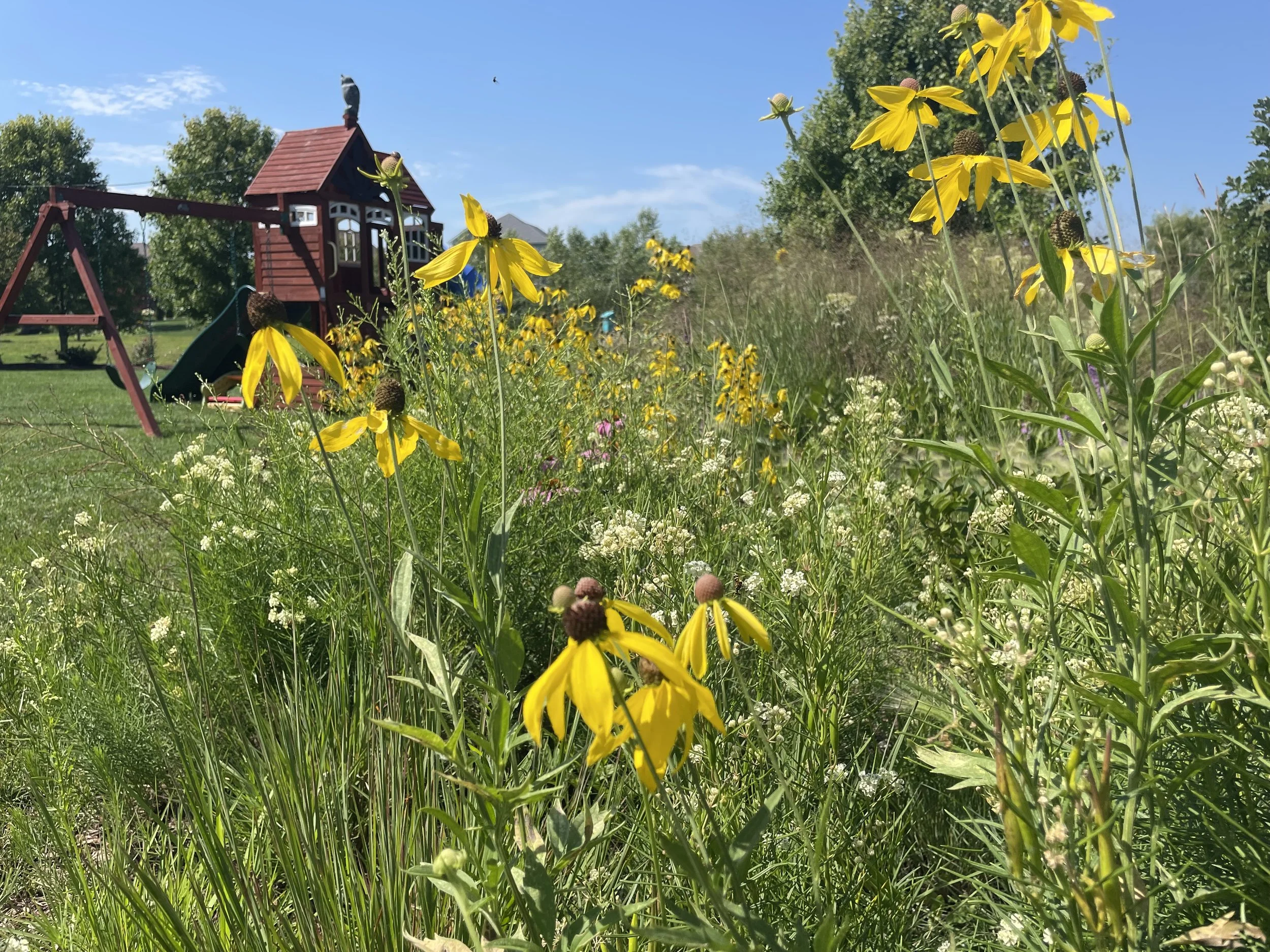
Bring the Beauty of Wisconsin Natives to Your Doorstep
From Rain Gardens to Prairie-Style Plantings, we design and install sophisticated landscapes using the best of Wisconsin’s native flora!
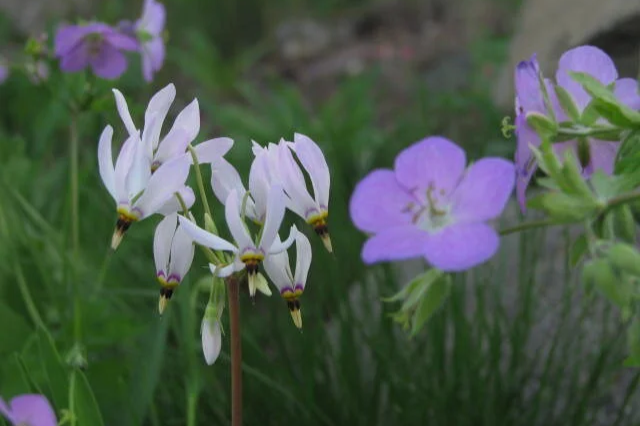
Native Wildflower Garden - Shooting Star & Wild Geranium - Madison, WI
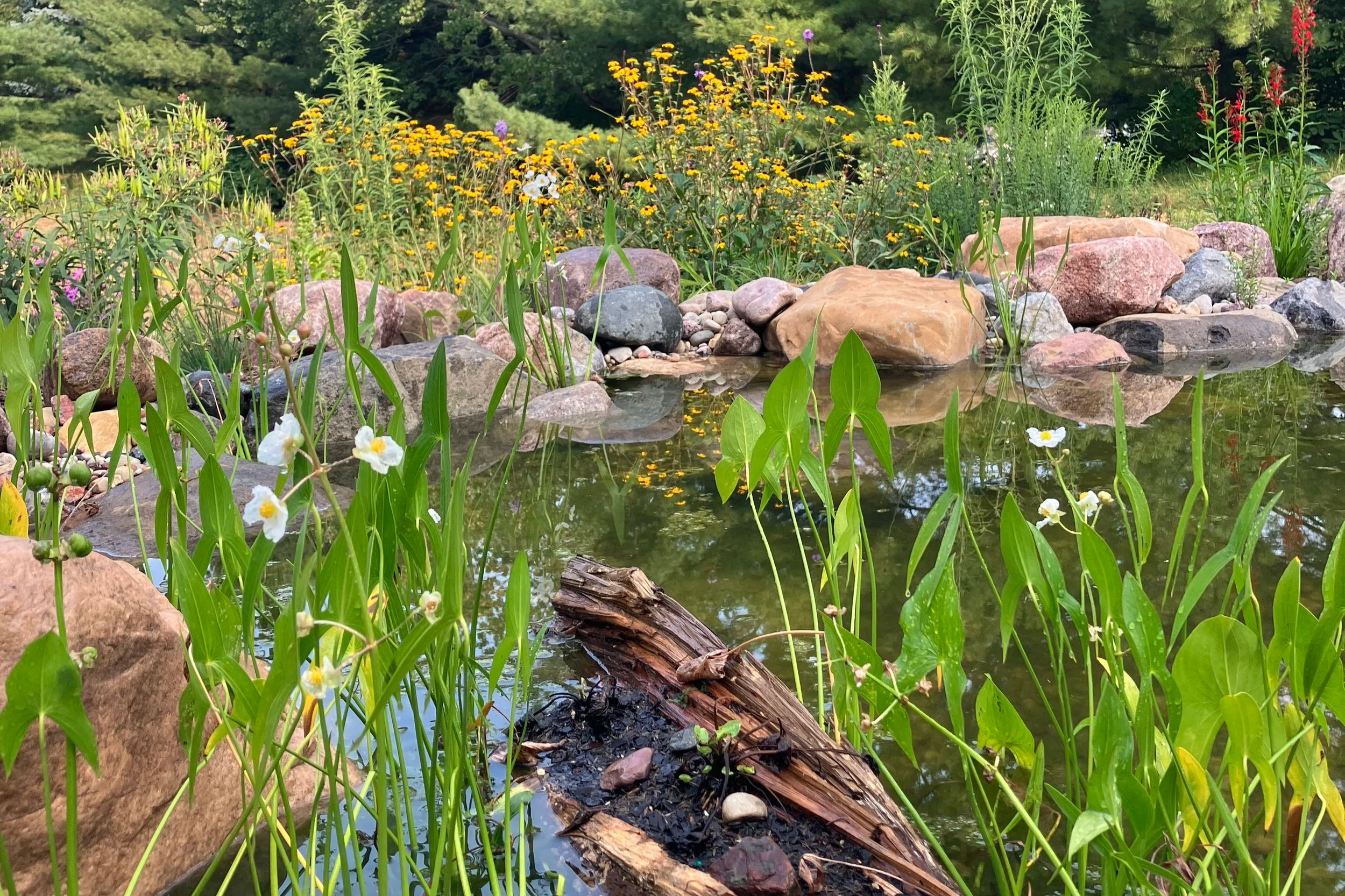
Native Wetland Prairie Garden - Madison, WI
Why We Create With Wisconsin Natives
In selecting plants, it is the policy of Aspen Garden & Landscape to focus on native plants and low maintenance non-natives that are not potentially invasive. Native plants are the backbone of a resilient, high-performing landscape. Because they are perfectly adapted to our local climate, they require significantly less water and maintenance once established. We draw inspiration from Wisconsin’s diverse natural heritage to create a "sense of place" in your yard.
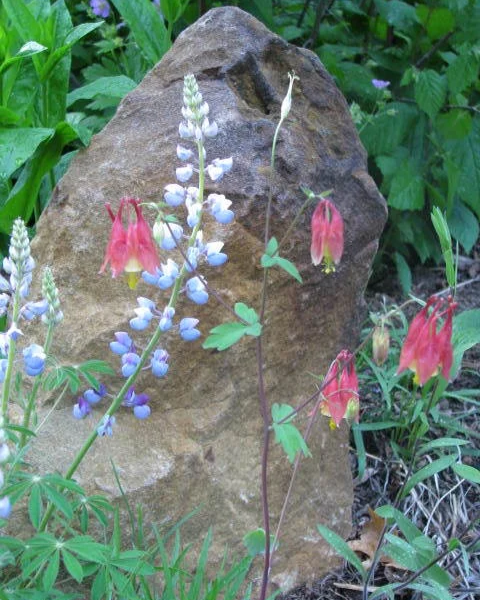
Resource-Efficient
Dramatically reduced need for watering and fertilizers.
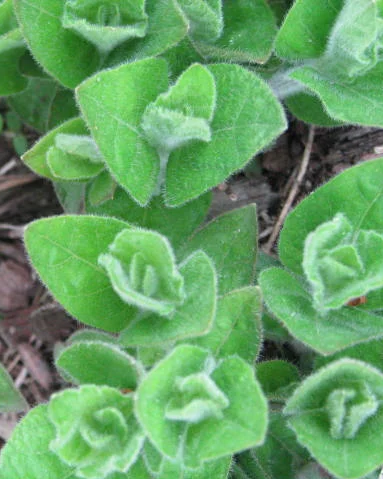
Climate Compatibility
Adapted to our harshest winters and hottest summers.
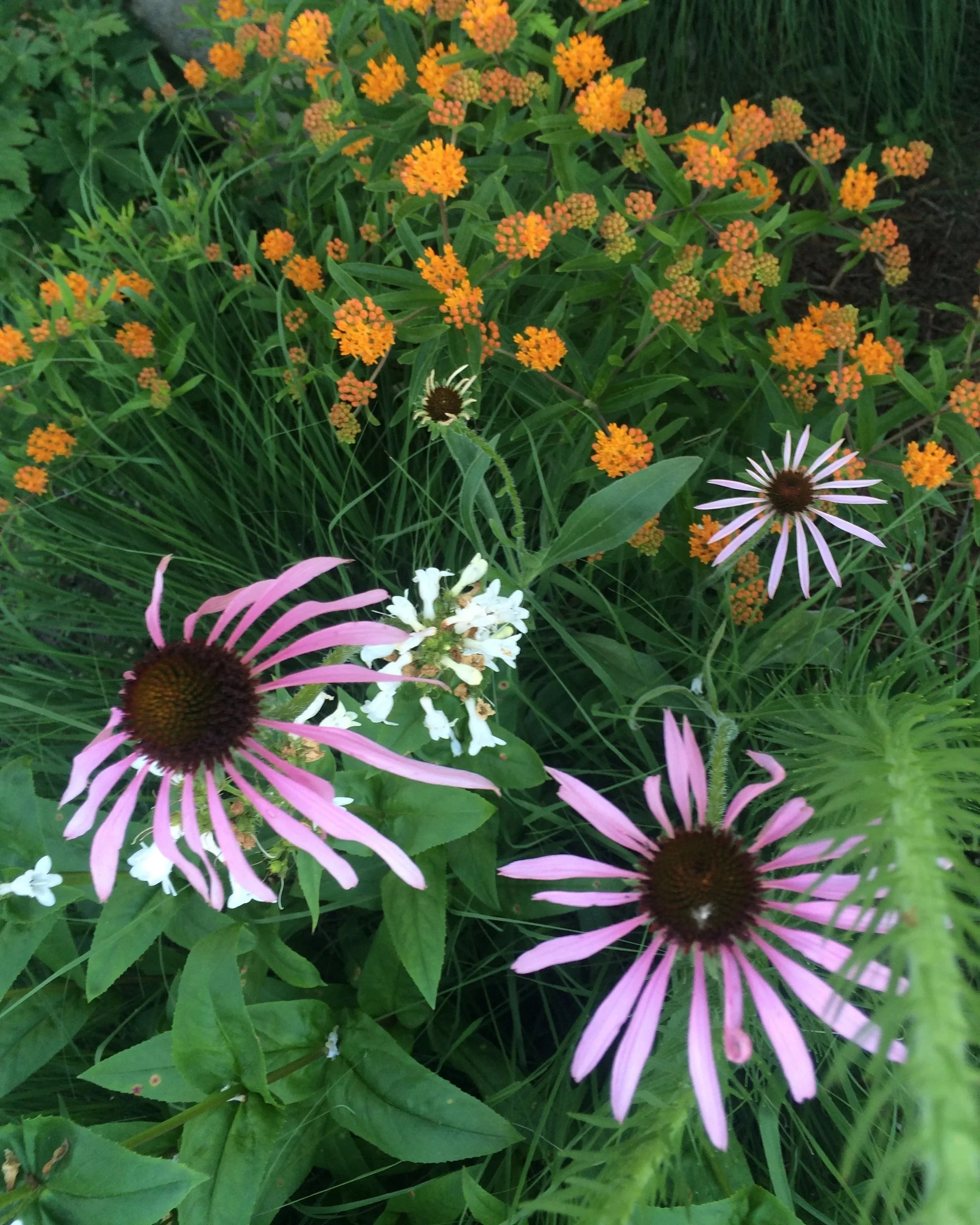
Environmental Benefits
A living landscape that supports local birds and pollinators.
-
By integrating native species, we aren't just planting a garden; we are re-establishing a Self-Sustaining Ecosystem. This approach honors the natural history of the land while providing a high-performance landscape that requires fewer resources and offers greater ecological rewards.
-
Native species are climate-calibrated. They have developed the deep root systems necessary to find water during droughts and the chemical defenses to thrive without synthetic fertilizers.
1. The "Ice-Age" Root System (Winter Resilience)
Unlike shallow-rooted turf or exotic annuals, native perennials invest heavily in their root systems.
Thermal Buffering: Their roots can reach depths of 5 to 15 feet. This puts the "heart" of the plant far below the frost line, protected from the freeze-thaw cycles that heave less-hardy plants out of the clay.
Carbohydrate Banking: Think of the roots as a natural battery. During the fall, these plants pull all their energy downward, storing sugars that act as a biological antifreeze, ensuring a vigorous "reboot" once the Wisconsin spring finally arrives.
2. Drought Defiance (Summer Resilience)
When the summer heat bakes Wisconsin clay into a brick-like consistency, native plants like Purple Coneflower or Lupine don't just survive; they thrive.
Hydraulic Efficiency: Because their roots are so deep, they can tap into moisture reserves that exotic plants simply can't reach. They aren't waiting for the garden hose; they are accessing the water table.
Evaporative Control: Many natives have developed specialized leaf textures—like the slightly fuzzy leaves of Wild Bergamot—which trap a thin layer of air to reduce moisture loss during high-heat days.
3. Clay-Soil Compatibility
The heavy clay common in Southern Wisconsin is often a "death sentence" for non-native plants because it lacks oxygen when wet and shrinks when dry.
Pore-Space Engineering: Native roots act as biological "drills." As they grow and die back annually, they create tiny channels in the clay. This improves drainage over time and actually "conditions" the soil for the rest of the garden.
-
By utilizing native plants, we can support butterflies, birds and other indigenous creatures and be sure that we aren’t introducing invasive exotic plants into our unique environment. We can reduce or eliminate supplemental watering and fertilizer application. We can become more knowledgeable about the natural history of our land. In short, we can feel that our personal land use decisions are truly benefiting the environment.