
If you live in Madison, Wisconsin and care about your garden, you’ve probably been at odds with some of our local critters. Rabbits, deer, voles…herbivores get hungry and our garden plants make a great meal. Winter is no exception.
When cold weather settles in, some plants, especially rabbits, settle in with their favorite snow-bound food: the tender inner layer of bark on woody plants. The cambium (often paired with the phloem, which sits just outside it) is a thin, living layer full of sugars and nutrients, which makes it especially appealing to rabbits, voles, and sometimes deer. When animals chew all the way around a stem or trunk, it’s called girdling, and it can kill the plant because the cambium is what transports water and nutrients up and down. Most mature trees and shrubs have strong enough bark to keep animals out, but young and newly planted trees and shrubs are vulnerable- especially certain species. Protecting those new plantings with thoughtful, effective caging is an important part of preparing your garden for winer.
Why Caging Fits Our Philosophy
At Aspen, we value quality, sustainability, and doing things right. Caging can seem like an extra step, but it’s really part of a proper planting plan.
Local ecology matters. We design plantings that reflect the site, the neighborhood, and Wisconsin’s climate. Caging helps ensure those plantings survive the first winters and thrive long-term (think of it as planting smart and protecting smart).
Client-focused & site-specific work. Just as we tailor our designs to each property, we recommend caging based on site conditions — deer pressure, exposure, and how the landscape “sits” in its surroundings.
Value over time. A well-placed shrub or tree is an investment. Protecting that investment early saves time, money, and heartache later.
How to Cage — With Purpose and Care
There are a lot of ways to cage well, but here are a few things to keep in mind:
Use sturdy, durable materials- not flimsy mesh. Think galvanized hardware cloth or quality wire fence shaped into a cylinder around vulnerable parts of the plant. There are some high-quality rigid mesh guards for trees that work well, too, though they tend to be a bit more expensive. You can buy them from reliable suppliers like A.M Leonard.
Size appropriately- cages should be generous to allow for growth and snow load. Be sure the holes in the caging are small enough to keep out young rabbits!
Install proactively- ideally before the first significant snow, giving plants protection before winter stress begins.
Top to bottom protection- be sure the cage bottom touches the ground and the top of the cage is tall enough to protect the plant after significant snowfall
Remove at the right time- once spring has reliably arrived, but after risk of late-winter browsing or freeze damage has passed. (Lindsey likes to wait until the clover is up.)
What We Recommend Caging
The big question! Caging needs depend on conditions and herbivore pressure, but there are some plants that really shouldn’t be forgotten. If you have any of these at your home, we highly recommend caging them this year:
Fothergilla
Aronia
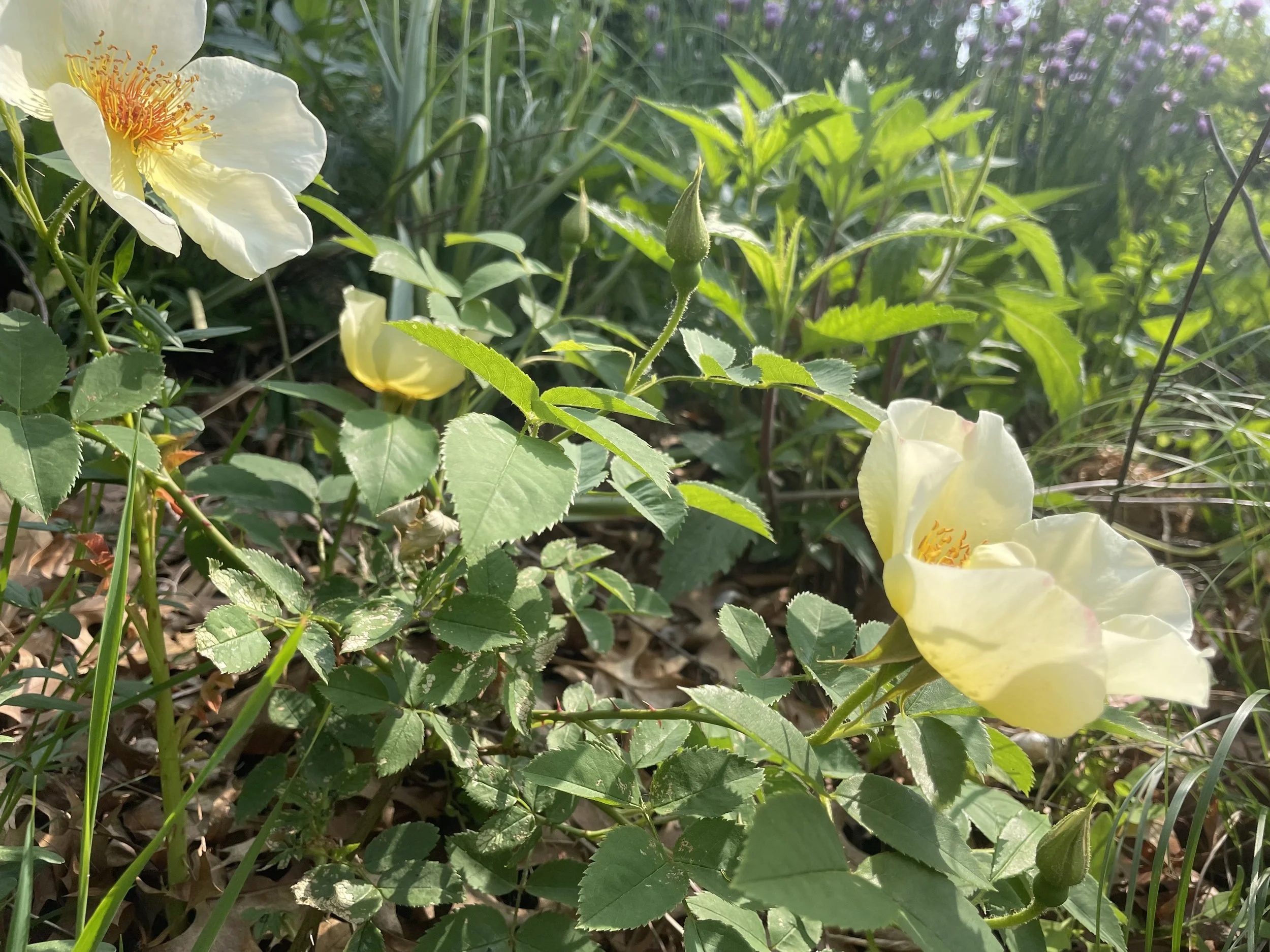
Roses
Serviceberries (Amelanchier)
Young crabapples (Malus)
Young fruit trees- especially apples, pears, and quinces
Oakleaf hydrangeas (Hydrangea quercifolia) in areas with especially high rabbit pressure
Young arborvitae in areas where deer browse
*Ecology note: If you want to protect your trees and shrubs, but are worried about the rabbits getting enough food, give them twigs to eat rather than the main trunks and stems! Do a little pruning on your trees (ideally after the coldest part of winter has passed) and leave the young branches on the ground.
Whether we planted them or not, if you have questions about caging your plants for winter, feel free to reach out to us. We’re honored to be a part of making our community more a vibrant and beautiful place. And because we know Madison - the microclimates, soils, neighborhoods, and wildlife- our recommendations for plantings and protection are rooted in real experience, not cookie-cutter checklists. Fill out our contact form here to reach us.